
PCOS Nutrition Guide
Discover evidence-based nutritional strategies to manage PCOS symptoms and improve your quality of life through personalized dietary approaches.
The Diet & PCOS Connection
Understanding how nutrition directly impacts PCOS symptoms is crucial for effective management and symptom relief.
Insulin Resistance
Diet directly affects insulin sensitivity. Low glycemic index foods, fiber-rich options, and balanced macronutrients help stabilize blood sugar levels and reduce insulin resistance, a hallmark of PCOS.
Hormone Regulation
Specific nutrients influence hormone production and metabolism. Omega-3 fatty acids, antioxidants, and certain minerals help balance androgen levels and support healthy hormone function.
Weight Management
PCOS often makes weight management challenging. Strategic nutrition choices, portion control, and meal timing support healthy weight loss while preserving muscle mass and energy levels.
Inflammation Reduction
Chronic inflammation contributes to PCOS symptoms. Anti-inflammatory foods rich in antioxidants, omega-3s, and polyphenols help reduce systemic inflammation and support overall health.
Essential Nutrients for PCOS
Key nutrients that can significantly impact PCOS symptoms and overall hormonal health.
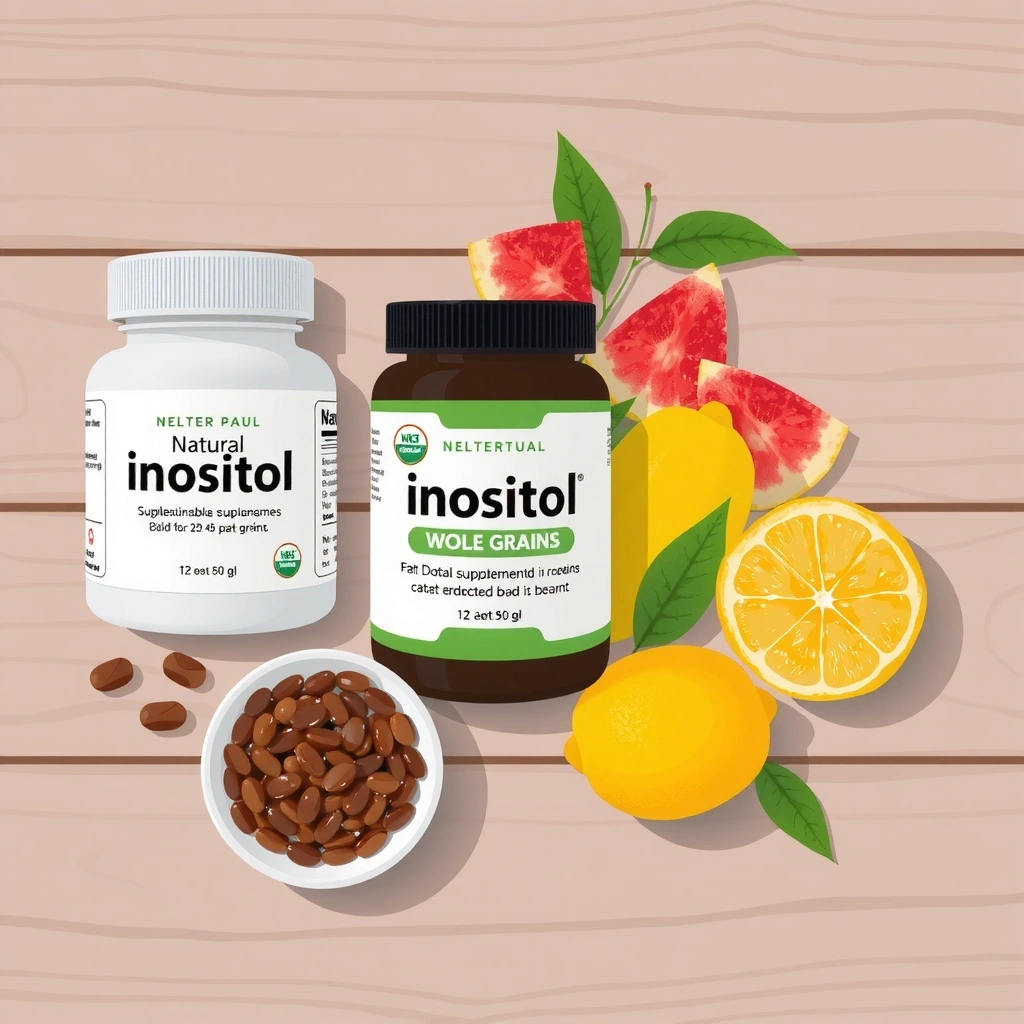
Inositol
Myo-inositol and D-chiro-inositol help improve insulin sensitivity and may reduce androgen levels. Found naturally in beans, citrus fruits, and whole grains.
- • 2000-4000mg daily supplement
- • Natural food sources: beans, nuts
- • Improves ovarian function
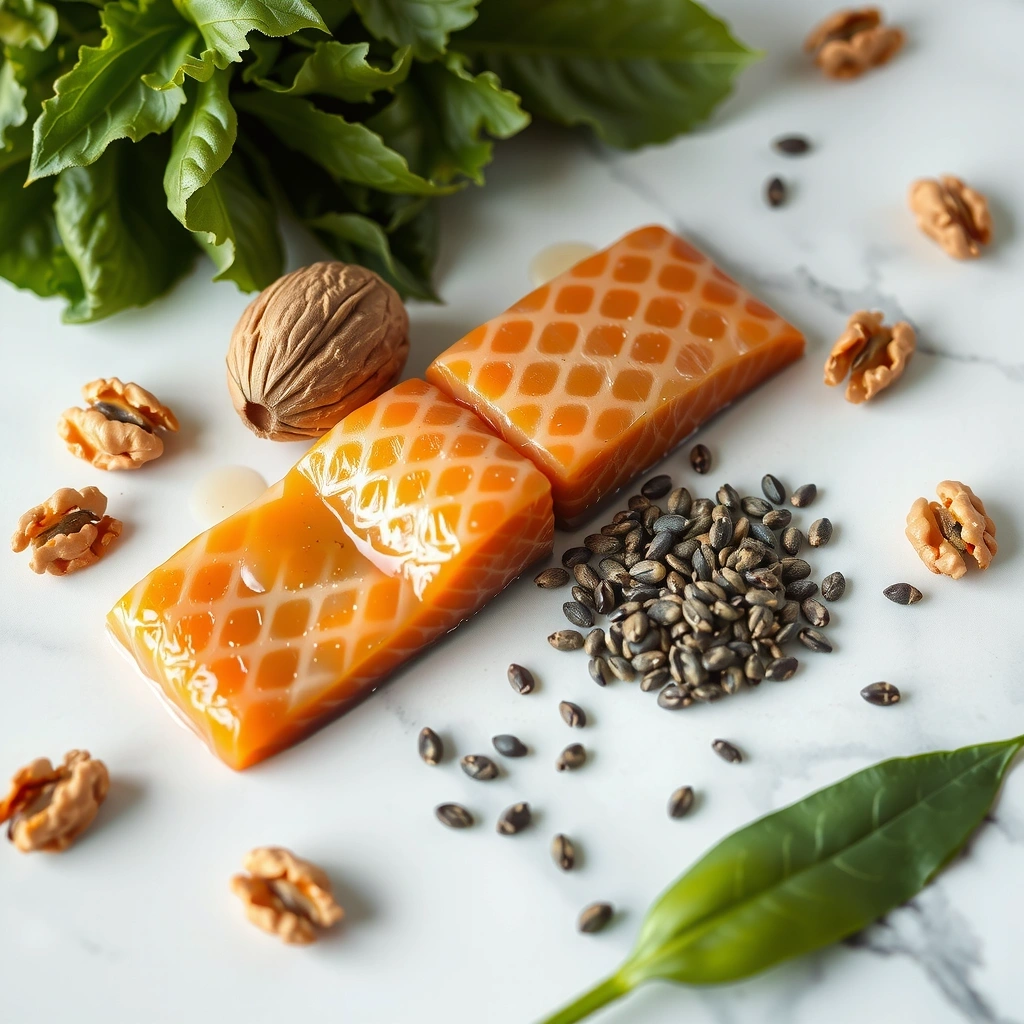
Omega-3 Fatty Acids
Reduce inflammation and may help lower testosterone levels. Essential for hormone production and cardiovascular health.
- • 1000-2000mg EPA/DHA daily
- • Sources: fatty fish, walnuts, flaxseed
- • Anti-inflammatory benefits

Antioxidants
Combat oxidative stress and reduce inflammation. Essential for protecting reproductive health and supporting hormone balance.
- • Vitamin C, E, selenium
- • Sources: berries, leafy greens
- • Protects against oxidative stress
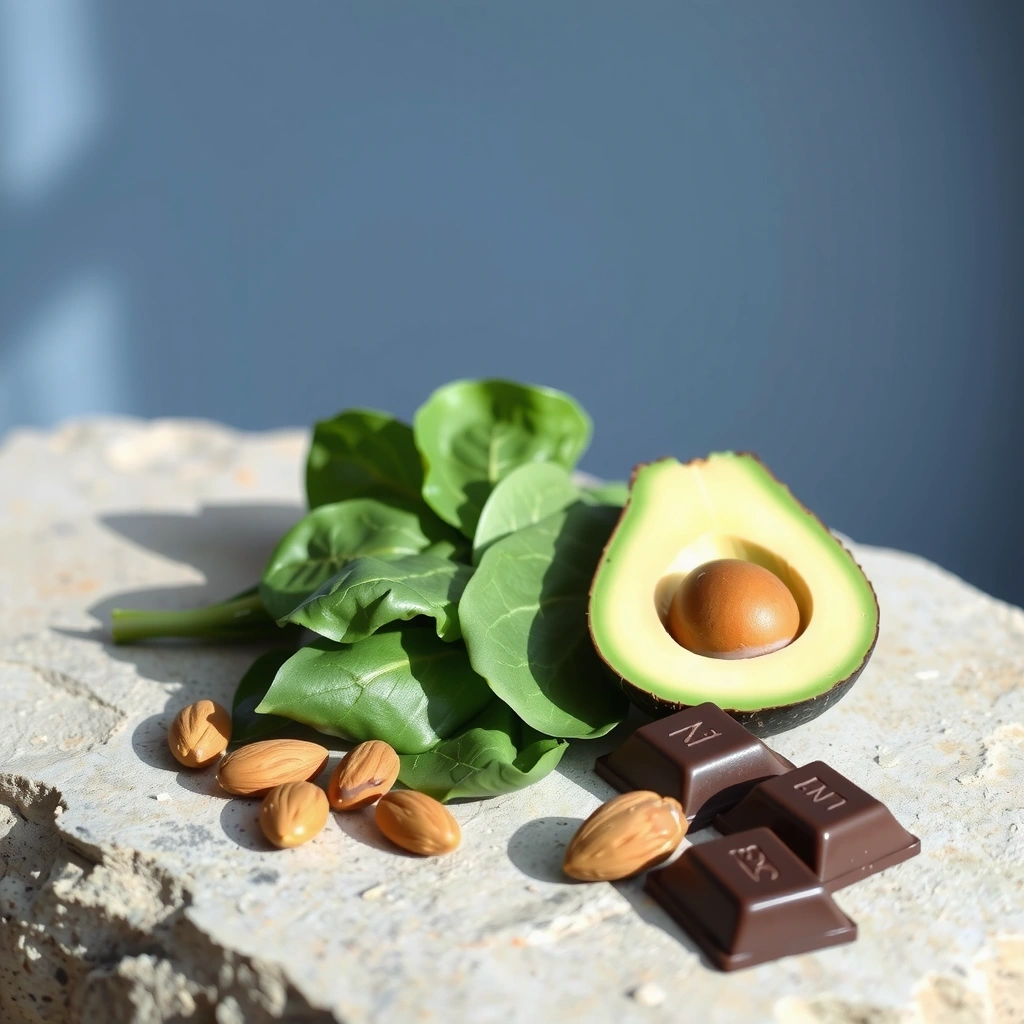
Magnesium
Supports insulin sensitivity and may reduce anxiety. Essential for over 300 enzymatic reactions in the body.
- • 300-400mg daily
- • Sources: dark chocolate, nuts, seeds
- • Improves sleep quality

Vitamin D
Deficiency is common in PCOS and may affect insulin sensitivity and reproductive health. Supports immune function and mood regulation.
- • 1000-4000 IU daily
- • Sources: sunlight, fortified foods
- • Supports hormone production
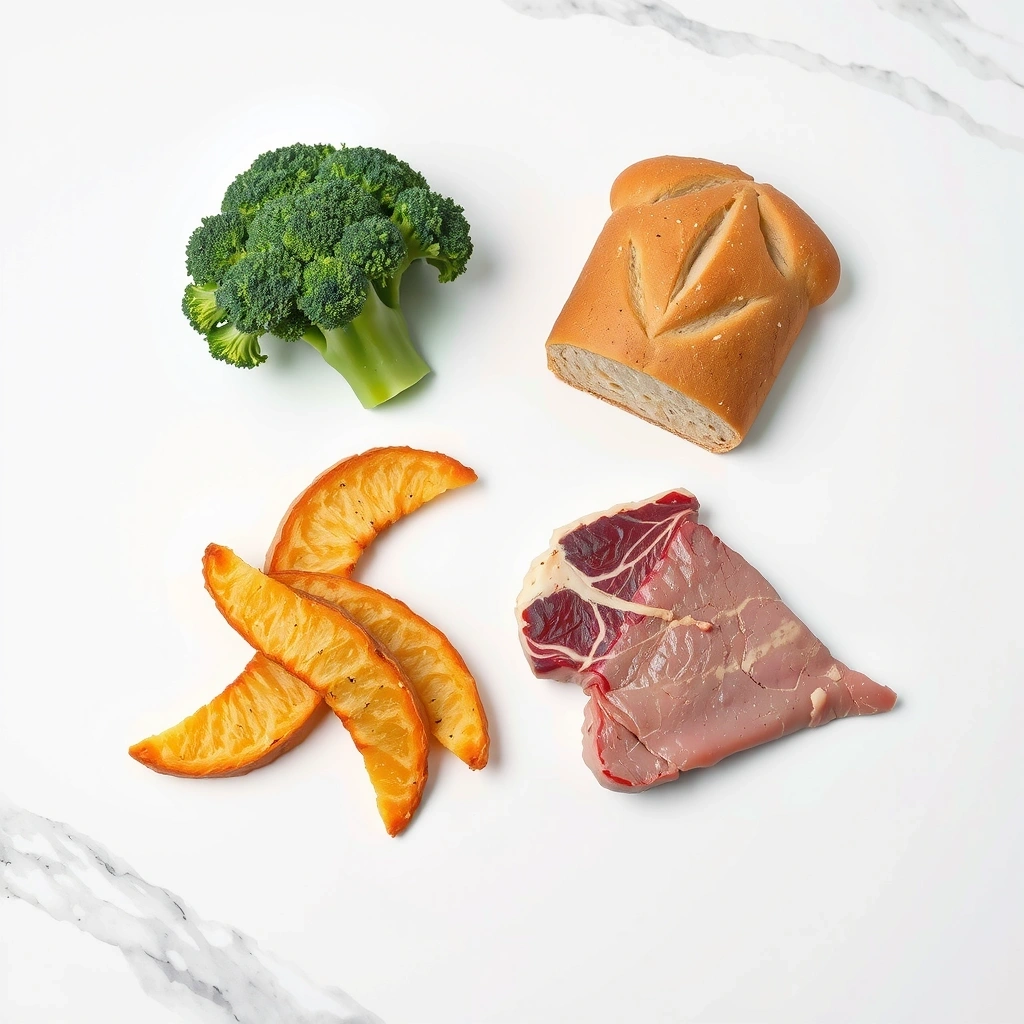
Chromium
Helps improve insulin sensitivity and glucose metabolism. May support weight management and reduce cravings.
- • 200-400mcg daily
- • Sources: broccoli, whole grains
- • Stabilizes blood sugar
Foods for PCOS Management
Evidence-based dietary recommendations with Indonesian food alternatives for culturally appropriate PCOS nutrition.

PCOS-Friendly Foods
Indonesian Alternatives
Low GI Foods
Limit These Foods
Anti-Inflammatory Foods
Balanced Plate Method
Foods to Emphasize
-
Non-starchy vegetables: Leafy greens, broccoli, cauliflower, bell peppers, asparagus
-
Lean proteins: Fish, poultry, eggs, tofu, tempeh, legumes
-
Whole grains: Brown rice, quinoa, oats, whole wheat products
-
Healthy fats: Avocado, nuts, seeds, olive oil, fatty fish
-
Low-glycemic fruits: Berries, apples, citrus fruits
Foods to Limit
-
Refined sugars: Candy, pastries, sugary beverages, processed snacks
-
Processed foods: Fast food, packaged meals, deli meats
-
Refined carbohydrates: White bread, white rice, instant noodles
-
High-glycemic fruits: Watermelon, pineapple, ripe bananas
-
Trans fats: Margarine, fried foods, baked goods with shortening
Indonesian Food Adaptations
PCOS-Friendly Indonesian Swaps
- White rice → Brown rice or quinoa
- Instant noodles → Zucchini noodles or shirataki
- Processed tempeh → Organic fermented tempeh
- Sugary drinks → Green tea or infused water
Traditional Foods for PCOS
- Kangkung (water spinach) - high in folate
- Bayam (spinach) - rich in iron and magnesium
- Tempeh - plant-based protein with probiotics
- Kacang panjang - high fiber content
Meal Structure & Timing
Strategic meal planning and timing can optimize hormone regulation and manage PCOS symptoms effectively.
Meal Frequency
Regular eating patterns help stabilize blood sugar and insulin levels. Aim for consistent meal timing throughout the day.
- 3 balanced meals + 1-2 healthy snacks
- Eat every 3-4 hours to maintain stable blood sugar
- Don't skip meals, especially breakfast
- Stop eating 2-3 hours before bedtime
Balanced Plate Method
Use the plate method to ensure proper macronutrient balance at each meal for optimal blood sugar control.
Pre & Post-Meal Timing
Strategic timing around meals can enhance nutrient absorption and minimize blood sugar spikes.
Pre-Meal (15-30 minutes)
- Small portion of protein or healthy fat
- Apple cider vinegar in water (optional)
Post-Meal (30-60 minutes)
- Light walk to aid glucose uptake
- Stay hydrated with water
Intermittent Fasting Considerations
IF can be beneficial for PCOS, but requires careful approach to avoid hormonal disruption.
16:8 Method (Recommended)
16 hours fasting, 8-hour eating window
Important Considerations
- • Start gradually with 12:12 method
- • Avoid if you have a history of eating disorders
- • Monitor energy levels and mood
- • Consult healthcare provider first
Sample Daily Meal Structure
Breakfast (7:00 AM)
- Greek yogurt with berries
- 1 tbsp ground flaxseed
- Handful of almonds
- Green tea
Lunch (12:00 PM)
- Grilled chicken salad
- Mixed vegetables
- Quinoa (1/4 cup)
- Olive oil dressing
Snack (3:00 PM)
- Apple with almond butter
- or
- Hummus with veggie sticks
Dinner (6:30 PM)
- Baked salmon
- Roasted vegetables
- Brown rice (small portion)
- Side salad
PCOS-Friendly Meal Planning Calculator
Calculate your daily nutritional needs and create personalized meal plans based on your PCOS management goals.
Your Daily Nutritional Targets
PCOS-Specific Recommendations
- Focus on low glycemic index foods to manage insulin resistance
- Include anti-inflammatory foods like fatty fish, leafy greens, and berries
- Consider intermittent fasting (16:8 method) if appropriate for your lifestyle
- Stay hydrated with 8-10 glasses of water daily
Lifestyle Integration Timeline
A step-by-step approach to implementing PCOS nutrition changes for sustainable results.
Week 1-2: Foundation Building
Start with basic dietary modifications: eliminate processed foods, increase vegetable intake, and establish regular meal timing. Focus on adding rather than restricting.
Week 3-4: Nutrient Optimization
Introduce PCOS-specific nutrients: omega-3 supplements, magnesium-rich foods, and antioxidant-dense options. Begin monitoring energy levels and mood changes.
Week 5-8: Advanced Strategies
Implement advanced techniques like meal prep, intermittent fasting (if appropriate), and precise portion control. Track symptoms and menstrual cycle changes.
Month 2-3: Fine-Tuning
Personalize your approach based on response. Adjust macronutrient ratios, experiment with different meal timing, and incorporate stress-reduction techniques.
Month 4-6: Long-term Sustainability
Develop sustainable habits and flexibility. Create backup meal plans, manage social eating situations, and establish long-term monitoring strategies with healthcare providers.
Scientific Evidence & Research
Evidence-based nutrition interventions backed by peer-reviewed research for PCOS management.
| Nutrition Intervention | Study Findings | Clinical Outcome | Evidence Level |
|---|---|---|---|
|
Low Glycemic Index Diet
12-week intervention study
|
Reduced insulin resistance by 23% and improved ovulation rates in 67% of participants |
Improved hormonal balance |
★★★★★
Strong
|
|
Omega-3 Supplementation
Meta-analysis of 7 RCTs
|
Significant reduction in testosterone levels (avg. 18% decrease) and improved lipid profiles |
Reduced androgens |
★★★★☆
Moderate
|
|
Inositol Therapy
Multi-center trial, 6 months
|
Myo-inositol (2000mg) + D-chiro-inositol improved insulin sensitivity and restored ovulation in 72% of cases |
Enhanced fertility |
★★★★★
Strong
|
|
Mediterranean Diet Pattern
Prospective cohort study
|
Adherence associated with 35% lower risk of metabolic syndrome and improved inflammatory markers |
Reduced inflammation |
★★★★☆
Moderate
|
|
Intermittent Fasting (16:8)
Randomized controlled trial
|
Participants lost 8% body weight and showed 31% improvement in insulin sensitivity over 12 weeks |
Weight management |
★★★☆☆
Emerging
|
|
Vitamin D Supplementation
Double-blind placebo trial
|
Improved insulin sensitivity and reduced inflammatory cytokines in vitamin D-deficient PCOS women |
Enhanced metabolism |
★★★★☆
Moderate
|
Key Takeaways from Research
What the evidence tells us about effective PCOS nutrition strategies
Insulin Sensitivity is Key
Low glycemic index foods and meal timing are among the most effective interventions for managing PCOS symptoms.
Anti-Inflammatory Effects
Omega-3 fatty acids and antioxidant-rich foods consistently show benefits for reducing chronic inflammation in PCOS.
Consistency Matters
Long-term adherence to nutritional interventions shows cumulative benefits, with most studies requiring 3-6 months minimum.
Start Your PCOS Nutrition Journey
Take the first step toward better health with personalized meal plans and expert guidance.
Personalized Assessment
Complete our comprehensive questionnaire to understand your specific PCOS type, symptoms, and nutritional needs.
Custom Meal Plans
Receive tailored meal plans designed around your preferences, lifestyle, and cultural food choices, including Indonesian alternatives.
Ongoing Support
Access our expert nutritionists and join a supportive community of women managing PCOS through nutrition.
Contact Pcosharmony
Address
125 Kensington High Street, Kensington, London W8 6SH, United Kingdom
Phone
+44 20 7946 0123Business Hours
Monday-Friday: 9:00-17:30
Saturday: 10:00-14:00